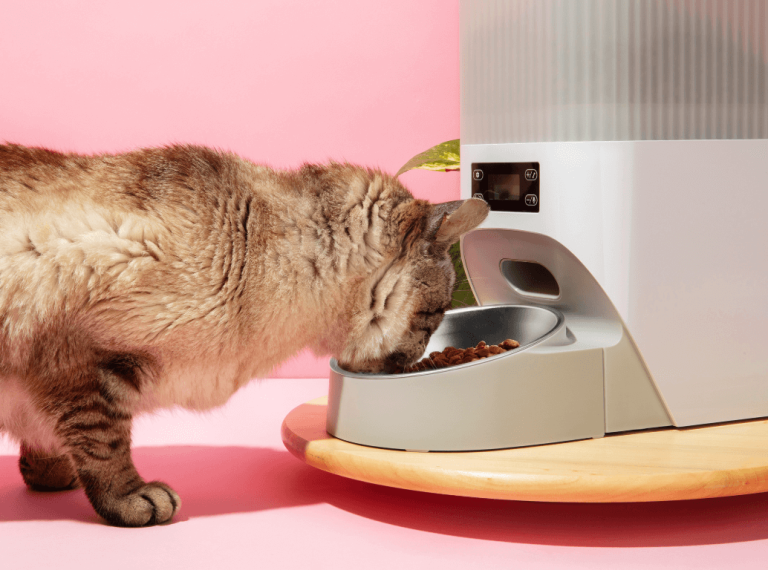
November is Pet Cancer Awareness Month — an opportune time to learn more about one of the most common health challenges our furry companions face as they get older. Sadly, cancer in pets has become more common, with almost half of dogs over the age of ten and around one in three cats developing some form of the disease during their lifetime, according to Westville Veterinary Hospital.
Cancer is complex, and there’s rarely one single cause. Age, genetics, environment, and even lifestyle factors all play a role. The reassuring part is that small, consistent habits like regular vet visits, taking note of any subtle changes, and choosing balanced, high-quality nutrition can make a real difference to your pet’s long-term wellness.

The power of early awareness
Cancer can affect any pet, at any stage of life, but the risk increases with age. Some dog breeds, like Golden Retrievers, Boxers, Bernese Mountain Dogs, and Rottweilers, are more prone to certain types of cancer, while large-breed dogs and older cats often face higher odds overall. Conditions like lymphoma are especially common in cats.
Being mindful of early signs isn’t about causing panic — it’s about knowing your pet well enough to notice when something feels off and getting professional advice early. Early detection gives pets the best possible chance of successful treatment and recovery, allowing vets to act before issues become severe.
Knowing what to watch for
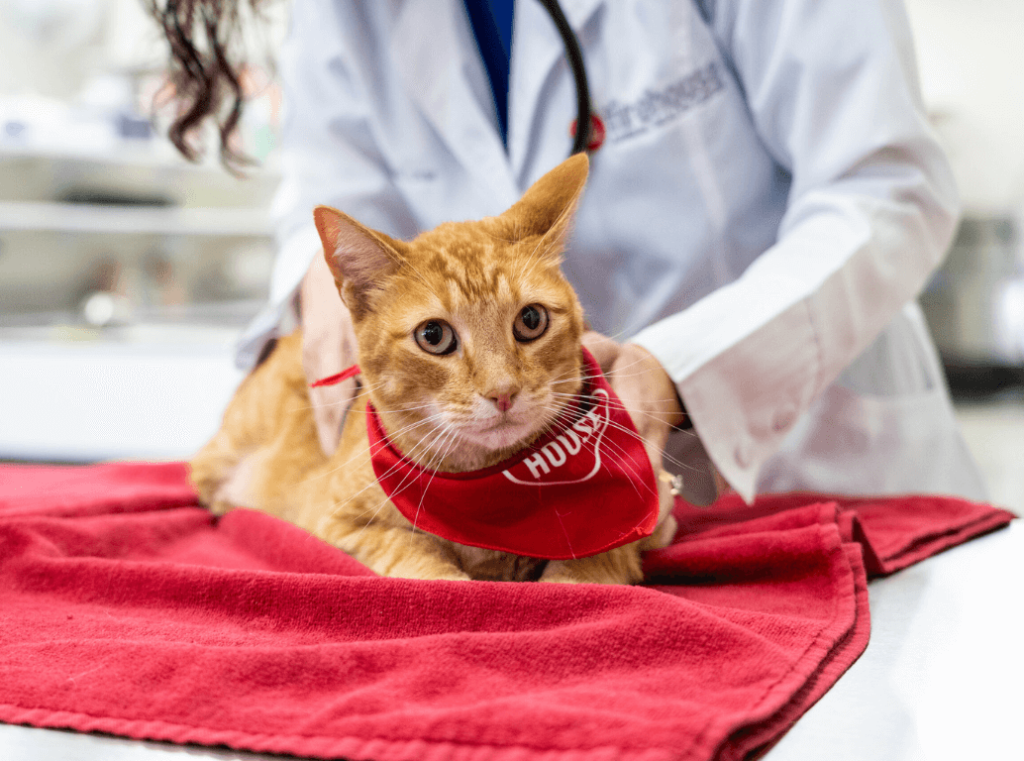
While a pet with cancer may not always show obvious symptoms at first, there are small changes that can signal something isn’t quite right.
Keep an eye out for:
- New or changing lumps, persistent swellings, or non-healing sores
- Swollen lymph nodes or sudden abdominal swelling
- Bleeding from the mouth, nose, or other openings
- Unusual odours and bad breath
- Difficulty breathing, chewing, or swallowing
- A dry, lingering cough
- Recurrent vomiting or diarrhoea
- Unexplained weight loss or reduced appetite
- Limping, stiffness, or other signs of pain
- A drop in interest in normal activities
Make a note of what you see, when it started, and how often it happens, if any of these symptoms persist or worsen. These details help your vet assess the situation quickly and accurately to give your pet the best chance of early care and recovery.

Reducing the risk of cancer for pets
While most causes of cancer in pets are beyond our control, there are a few things you can do to help lower risk and support long-term wellness.
Here’s what to keep in mind when it comes to your pet’s daily environment and habits:
- Sun and UV exposure: Pets with light or thin coats are more vulnerable to sun damage, especially under the harsh South African sun. Try to avoid long periods outdoors during peak hours, offer plenty of shade, and consider pet-safe sun protection for sensitive areas like ears and noses.
- Smoke and pollutants: Secondhand smoke and chemical exposure are known to increase health risks in pets. Keep your home and car smoke-free, and use lawn products and insect repellents cautiously.
- Viruses: Certain viruses, such as feline leukaemia virus (FeLV), can lead to cancer in cats. Regular vaccinations and vet check-ups are the best way to monitor and protect against viral risks.
- Hormones: Spaying or neutering your pet can reduce the risk of cancers affecting the mammary glands or testicles. The ideal timing depends on breed and age, so discuss the best plan for your individual pet with your vet.
- Body weight and activity: Maintaining a healthy weight is one of the simplest ways to protect your pet’s health. Overweight pets face a higher risk of chronic illness, including some cancers. Stick to measured meals, limit treats, and build movement into daily routines with short walks, playtime, or interactive toys.

The role of nutrition in everyday health
While no specific diet can prevent cancer in pets, balanced nutrition plays an important role in supporting the body’s natural defences. The right diet helps maintain a healthy immune system, steady energy levels, and a body that’s resilient to everyday stressors.
Here are a few ways that good nutrition supports everyday wellness:
- Balanced meals: High-quality protein, fats, vitamins, and minerals work together to maintain strong muscles, healthy organs, and overall well-being.
- Weight management: Feeding for your pet’s ideal weight with controlled portions and consistent mealtimes reduces strain on joints and organs while lowering the risk of chronic disease.
- Life-stage nutrition: Puppies and kittens need nutrients that support rapid growth and brain development, while adults thrive on balanced maintenance formulas. Senior pets benefit from controlled calories and easily digestible recipes that support ageing bodies.
- Consistent feeding habits: Routine matters – measured meals, limited treats, and feeding tools like slow feeders or snuffle mats help pets eat mindfully and maintain a healthy rhythm.
At Complete Pet Nutrition, every recipe is scientifically balanced and made locally under strict testing standards. Whether you’re caring for a growing pup or a gentle senior, you can trust Complete to deliver dependable nutrition that supports lifelong wellness, one bowl at a time.
Vet care and screening: What to expect
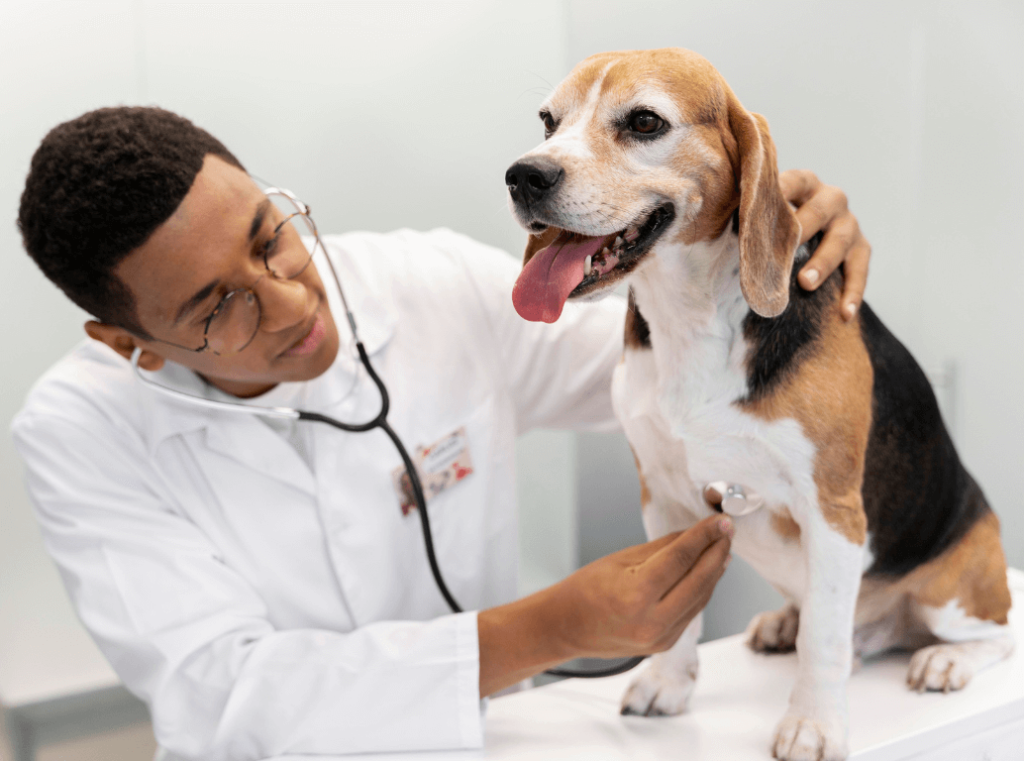
Regular check-ups are one of the best ways to protect your pet’s long-term health, especially as they grow older. Routine wellness exams help your vet spot subtle changes early, often before physical symptoms appear, which can be critical for managing cancer and other age-related conditions in pets.
If your vet is concerned, they may suggest additional tests such as blood or urine analysis, X-rays, ultrasounds, or even a CT scan. In some cases, a fine-needle aspirate or biopsy is used to identify a mass and decide on the next steps. These procedures are safe, minimally invasive, and help guide the most effective treatment plan.
Work with your vet to establish a sensible screening routine, particularly for senior pets or breeds known to be at higher risk.
Good health starts with awareness and continues with care. With Complete Pet Nutrition, that everyday care becomes easier, with reliable, science-backed nutrition you can trust. Find our products in pet stores nationwide or browse the full range online.